
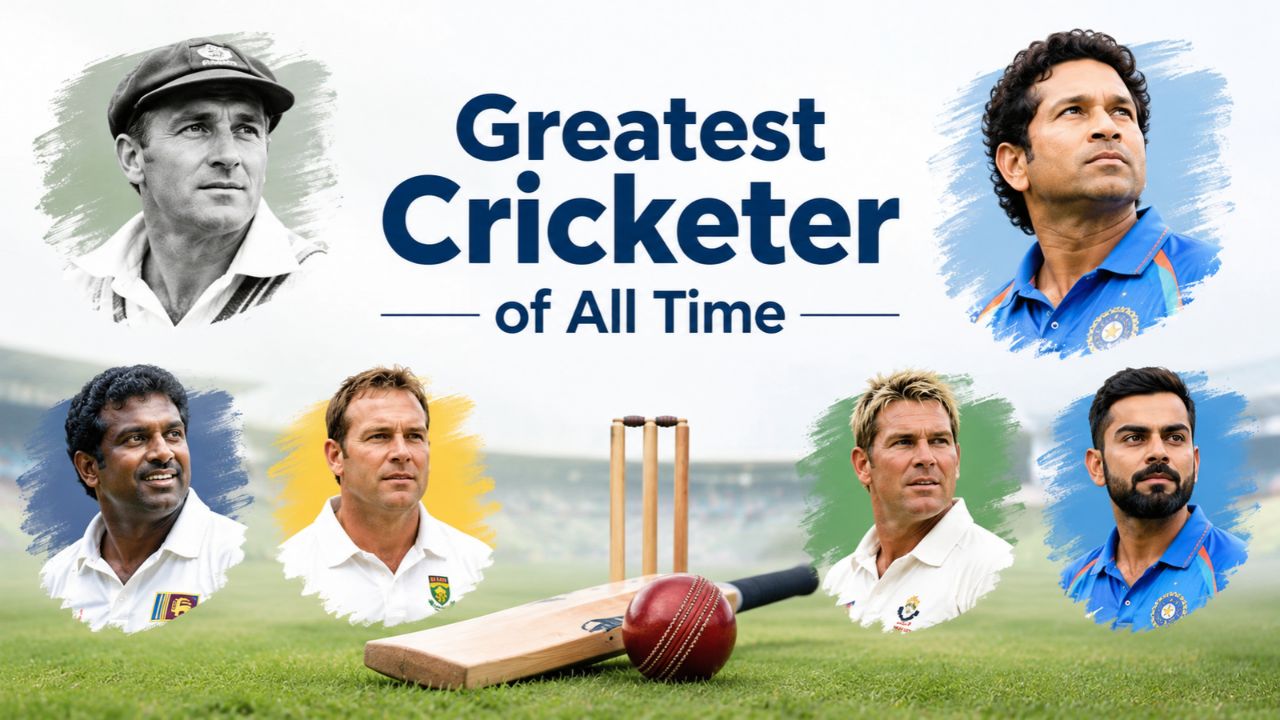
One of the most frequently debated topics in cricket is, who is the greatest cricketer of all time anybody has ever seen? Generations of the game have changed from uncovered pitches & long Test matches to modern day ODIs & T20 cricket. They have also had brilliant individual performances as specialist batsmen, bowlers and all-rounders. Due to these discrepancies, taking one player is not solely based on total runs or wickets. When comparing the game’s greatest legends, it is career statistics, winning performances, records and longevity that matter most – yet also the quality of opposition and influence on cricket itself.
Who Is the Greatest Cricketer of All Time?
How does one pick the greatest cricketer of all time? There exists no common consensus. A player who is a Champion of Test cricket may not have that type of statistical profile in ODIs or T20s while an all-rounder has contribution coming from various departments.
Sir Donald Bradman, with his phenomenal Test batting average, is often mentioned. Sachin Tendulkar : a case of all-age indecisiveness: Runs, centuries, records-even across formats are the fortress. Muttiah Muralitharan and Shane Warne embody bowling greats, Jacques Kallis is probably the closest we come to a sustained model of an all-rounder.
And just as the man had certainly added a modern day slant, so too have his ODI records and trailblazing consistency in successful chases. So the answer is rather dependent on your criteria.
Top Contenders for the Greatest Cricketer of All Time
The following players represent different forms of cricketing excellence. Their careers should be compared within the context of their eras rather than treated as identical statistical samples.
| Player | Country | Main Role | Major Strength | International Career |
| Sir Donald Bradman | Australia | Batter | Extraordinary Test average | 1928–1948 |
| Sachin Tendulkar | India | Batter | Longevity and run-scoring | 1989–2013 |
| Muttiah Muralitharan | Sri Lanka | Bowler | Record wicket-taking | 1992–2011 |
| Jacques Kallis | South Africa | All-rounder | Runs and wickets | 1995–2014 |
| Shane Warne | Australia | Bowler | Leg-spin and match impact | 1992–2007 |
| Virat Kohli | India | Batter | ODI consistency and chasing | 2008–present |
| Viv Richards | West Indies | Batter | Aggressive batting | 1974–1991 |
Bradman’s official Test record stands out statistically: 6,996 runs at 99.94 in 52 Tests. Tendulkar finished with 34,357 international runs and 100 international centuries, while Kallis accumulated 25,534 runs and 577 wickets across international cricket.
Greatest Batsman in Cricket History
The discussion about the greatest batsman of all time consists of players from very diverse eras. Batting averages, aggregate runs, hundreds, ability to adapt and away record are useful metrics but no statistic trumps underlining that a batsman is great.
Sir Donald Bradman
But Sir Donald Bradman retains his numbers. In 52 Tests for Australia, he scored 6,996 runs at an average of 99.94 with 29 hundreds and 13 fifties. His career ended with a legendary duck at The Oval in 1948, just four runs short of a Test average of 100.
And it’s a very, very different time from when Bradman played — even in an era where uncovered pitches and limited body protection presented unique challenges. His record must thus be viewed in context of history.
Sachin Tendulkar
Then we have the perhaps clearest case of exceptional longevity: that of Sachin Tendulkar. He played for India from 1989 to 2013 and was the first player to score 100 international centuries.
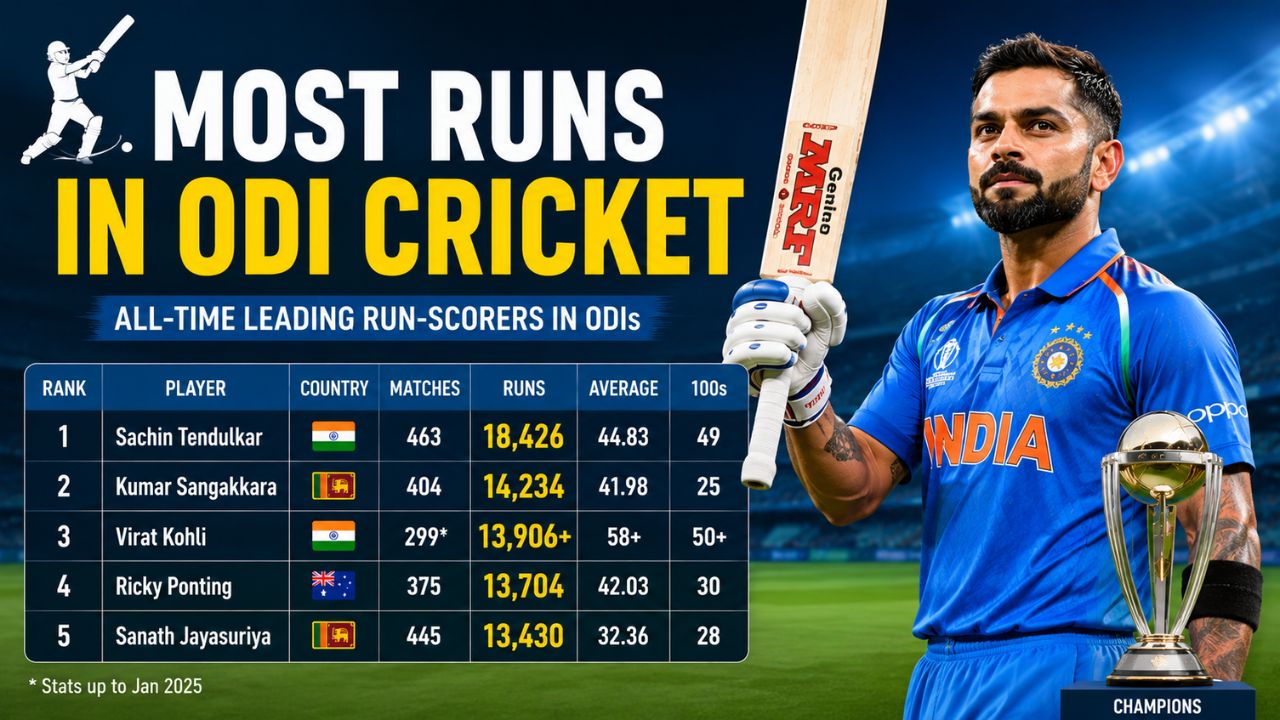
Across all formats of international cricket, he finished with 34,357 runs in total: 15,921 Test runs and a record 18,426 ODI runs. At the same time, he also became the first player to have participated in 200 Tests.
Tendulkar’s mixture of longevity, technical consistency and performances over two major formats leaves him firmly in with the best cricketers to have ever played the game.
Virat Kohli
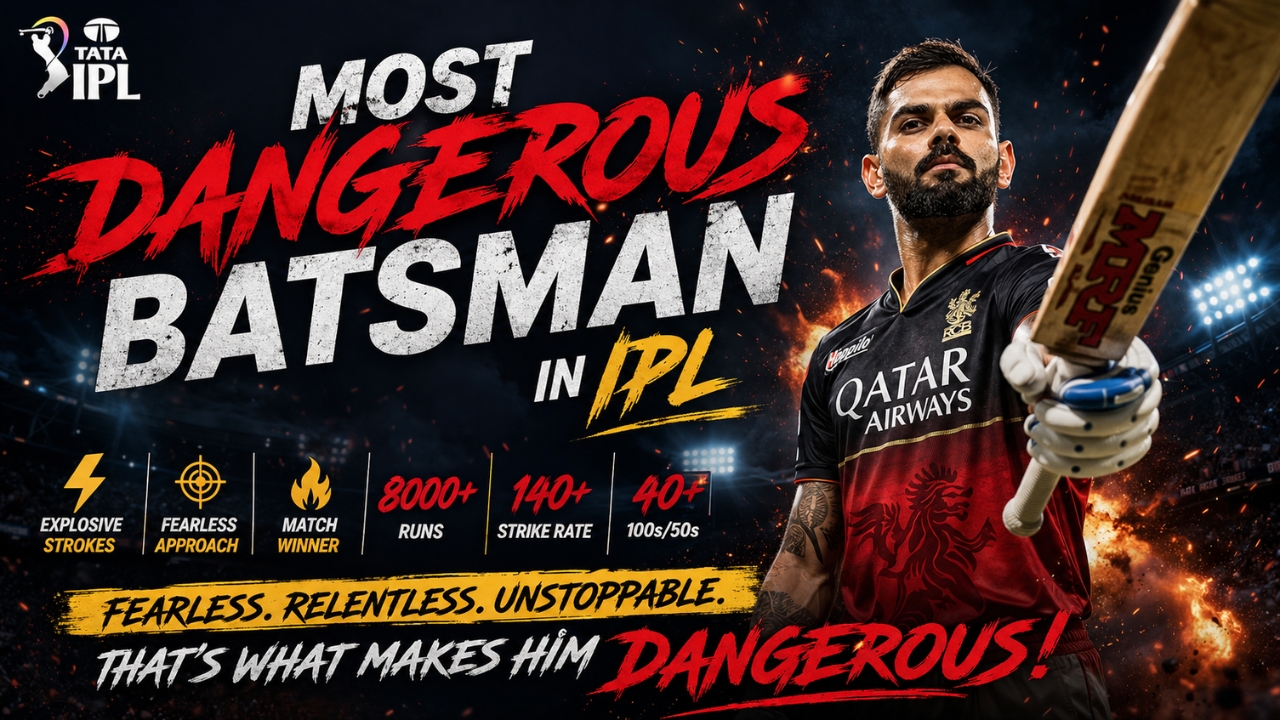
Virat Kohli represents the modern generation of elite batting. His strongest statistical case has been in ODI cricket, where he has repeatedly produced high averages and centuries while successfully chasing targets.
As of 27 September 2026, Kohli had reached 15,000 ODI runs and scored his 55th ODI century against the West Indies. ICC reported that he became only the second batter after Tendulkar to reach 15,000 ODI runs.
Kohli has also retired from Test and T20I cricket but remains an active ODI player. ICC reported in September 2026 that he had 14,941 ODI runs before reaching the 15,000 mark in the West Indies match.
Greatest Bowler of All Time
The greatest bowler debate takes on different forms – fast bowling, swing, seam and spin. Wickets-bowling average-strike rate-longevity-match-winning are the most crucial.
Muttiah Muralitharan
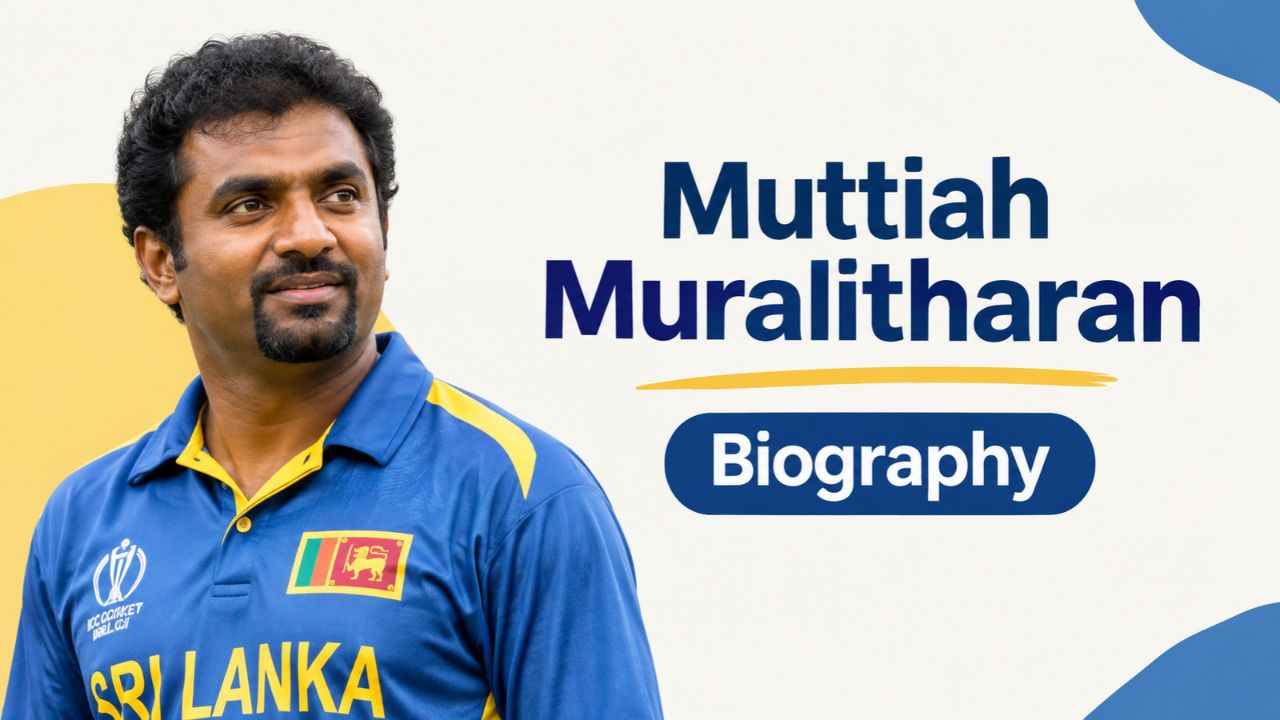
Among the most important bowling milestones in international cricket belong to Muttiah Muralitharan. He retired with 800 Test wickets at an average of 22.32 (in 133 Tests) and 534 ODI wickets, for a total of 1,347 international wickets.
His 800 is still the highest aggregate by a player in men’s Test cricket. He was also the first bowler to reach multiple big milestones for wickets and received an ICC Cricket Hall of Fame inductee node back in 2017.
Shane Warne
Shane Warne was one of the biggest ever influence leg spins in history of cricket. He retired with 708 Test wickets in 145 matches and 293 ODI wickets, taking his international tally to over 1,000 scalps.
He was also a member of the team that won the 1999 World Cup together with Warne, who took home Player of the Match in the final. Control, variation and tactical understanding combined to make him one of the greatest names in spin bowling
Greatest All-Rounder in Cricket History
All-rounders are tougher to compare because they have utility value on multiple fronts. A real two-in-one should not just chip in with bat or ball, but impact the game considerably preferred as an all-rounder to part-time bowler/batter.
Jacques Kallis
Statistically, Jacques Kallis might be the best example of an elite all-rounder. In 519 international matches, he scored as many as 25,534 runs and picked up 577 wickets. Test matches : 166One-Day Internationals (ODIs): 328Twenty20 International (T20I): 25
Kallis amassed 13,289 runs and bagged 292 wickets in Tests alone. He also registered 45 Test centuries. He was a remarkably complete international cricketer, able to fill in as a world-class batter while also giving reliable seam bowling options.
How Do You Decide the Greatest Cricketer of All Time?
We should compare more than one record:
- Statistical overview: Career: Runs, Wickets, Averages and Strike rates.
- Consistency: How well do you perform for long stretches of time.
- Longevity: Consistency over multiple seasons.
- Match-winning displays: Contributions when results were on the line.
- Format flexibility: Being highly effective in Tests, ODIs and T20 cricket.
- Quality of opposition: matches vs higher quality teams and players
- Focus on: World Cups and more important international tournaments
- Records: Major team or individual achievements
- Impact — The legacy he left on the game and what future generations learn from him
A more balanced prism through which to discuss the best cricketer in history without pretending that a single statistic conclusively answers the questions.
Greatest Cricketer of All Time: Statistics Comparison
The following table highlights major career figures. Since players competed in different eras and formats, the numbers should be used as context rather than as a definitive ranking.
| Player | Tests | ODIs | International Runs | International Wickets | Major Achievement |
| Sir Donald Bradman | 52 | 0 | 6,996 | 2 | Test average of 99.94 |
| Sachin Tendulkar | 200 | 463 | 34,357 | 201 | 100 international centuries |
| Muttiah Muralitharan | 133 | 350 | 1,936 | 1,347 | 800 Test wickets |
| Jacques Kallis | 166 | 328 | 25,534 | 577 | 25,000+ runs and 500+ wickets |
| Shane Warne | 145 | 194 | 3,154 | 1,001 | 708 Test wickets |
| Virat Kohli* | — | 303 | 15,080+ ODI runs | 8 | 55 ODI centuries |
*Virat Kohli’s figures are current through the first ODI against West Indies on 27 September 2026; he has retired from Test and T20I cricket. ICC reported his ODI total at 15,080 after that match.
Tendulkar’s international totals are confirmed by the ICC, while Bradman’s, Warne’s and Kallis’ career figures are also documented in ICC Hall of Fame records.
Why Comparing Cricket Legends Across Eras Is Difficult
It is difficult however to compare the legends of different generations as the game itself has changed. Bradman played in a time when uncovered pitches could move very differently to those of the modern era. Players also used significantly less protective equipment than that of today’s cricketers.
Modern players face different demands. They play in more formats, are away from home a lot more and usually involve themselves with international and franchise cricket. The game has also evolved with better bats, physical fitness and sports science, video analysis and training.
So a large factor is also the number of matches open to someone playing it for the first time. A player at present would have access to large stacks of stats over Tests, ODIs and T20Is that earlier generations simply did not have.
This is why statistics must be compared cautiously, as they can only ever reflect the conditions of the time.
Read More: Longest Six in Cricket History || Most Runs in ODI World Cup || Oldest Cricket Stadium in the World
FAQs About Greatest Cricketer of All Time
1. Who is the greatest cricketer of all time?
There is no universally accepted single answer. Bradman’s Test batting record, Tendulkar’s longevity and records, Muralitharan’s wicket-taking, Kallis’ all-round numbers and Kohli’s modern ODI achievements all provide different arguments for greatness.
2. Who is the greatest batsman in cricket history?
Sir Donald Bradman’s Test record makes him one of the strongest statistical candidates. His 99.94 Test average remains an extraordinary benchmark.
3. Who is the greatest bowler of all time?
Muttiah Muralitharan has the strongest statistical case based on career wickets, with 800 Test wickets and 534 ODI wickets. Shane Warne is another major candidate because of his 708 Test wickets and influence on leg-spin bowling.
4. Who is the greatest all-rounder in cricket?
Jacques Kallis is one of the leading statistical examples. He finished with 25,534 international runs and 577 wickets.
5. Who has scored the most runs in international cricket?
Sachin Tendulkar holds the record with 34,357 international runs across Tests, ODIs and T20I cricket.
Conclusion
No single answer to the Greatest Cricketer of All Time debate is available, since every era has its strengths. Each of these represents a different flavor of greatness – Bradman’s average, Tendulkar’s longevity, Muralitharan’s wickets, Kallis’ all-around skills and Warne for how he bowled and Kohli for his batting with modern-day records. Statistics, consistency, longevity, playing conditions, formats and the matches impacted demand consideration of these legends in a comparative context. The first of five things they have achieved that made cricket history and continue to inspire fans and future generations.fans across the globe.


Leave a Reply